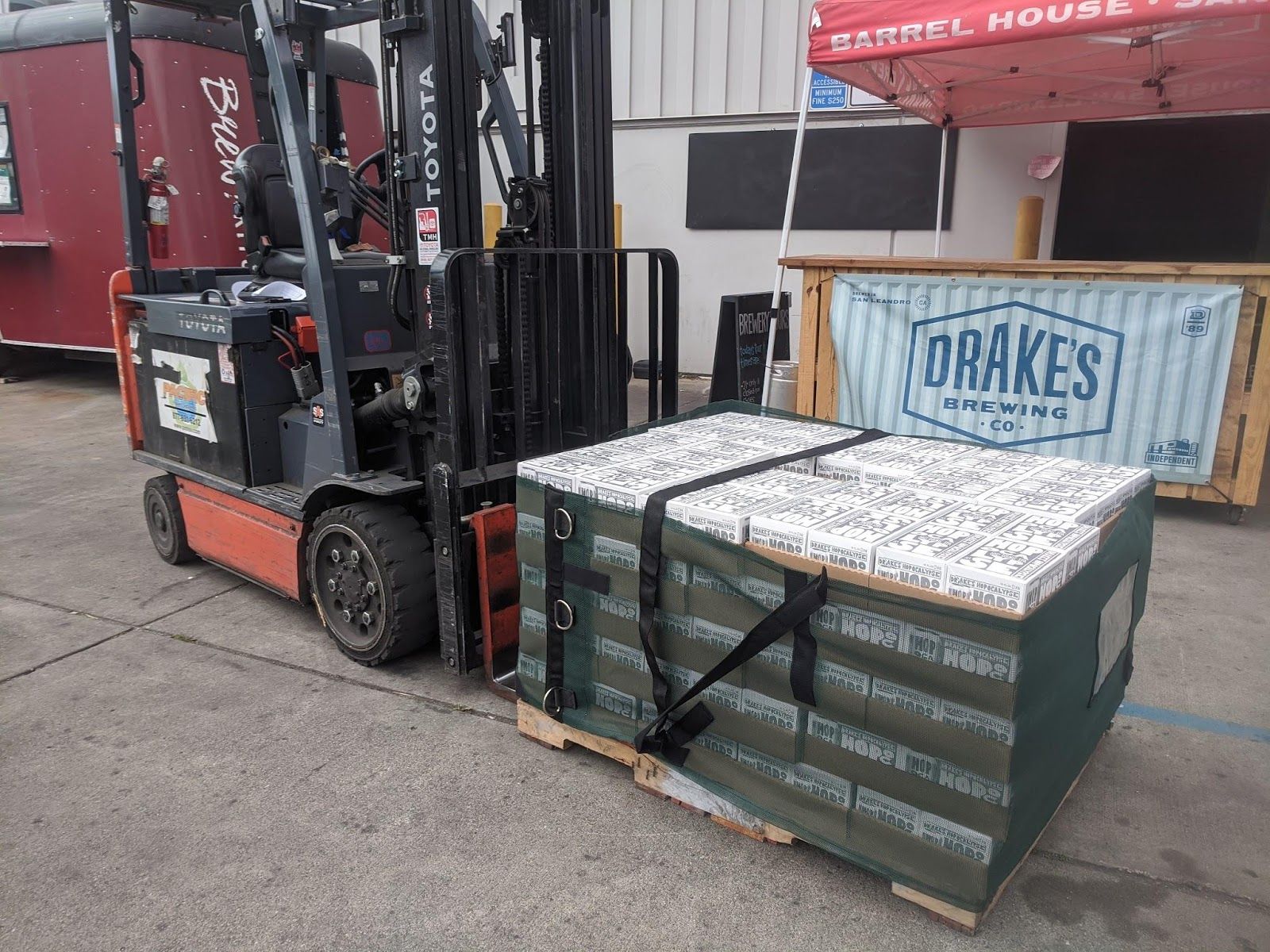
Traditional transport packaging — such as plastic pallet wrap, low-grade wood pallets, cardboard boxes, and dunnage — is typically used for a brief time to move goods in a supply chain, then thrown away. Plastic film, like pallet wrap, is the biggest type of plastic waste from businesses. In Alameda County, it makes up about half of all the plastic they discard.
Replacing disposable plastic film with reusable pallet wraps or rubber pallet bands not only prevents waste but also saves money and makes securing loads onto pallets faster and safer for workers. Other reusable transport packaging materials eligible for StopWaste grant funding include durable pallets, hand-held crates, bulk containers, refillable drums, and dunnage.
Numbers Cards
95%
Less packaging waste compared to single-use alternatives.
29%
Fewer greenhouse gas emissions from reusable transport packaging systems.
100+
Companies helped through StopWaste's Use Reusables program since 2007.
Reusable Transport Packaging: Intro Video
Learn how reusables can help your organization reduce solid waste and GHG emissions, while reducing disposal costs and improving worker safety.
Funding & Assistance
Equipment Grants for Reusable Transport Packaging
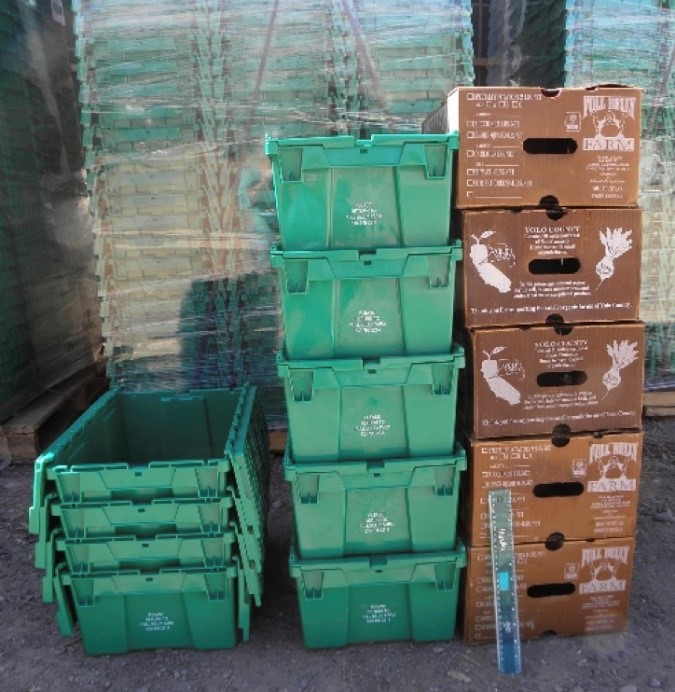
StopWaste offers equipment grants of up to $10,000 to help Alameda County organizations replace single-use transport packaging with durable, reusable alternatives.
- Eligible applicants: Nonprofits, businesses, institutions (such as colleges, universities, healthcare facilities, research labs), and school districts operating in Alameda County. Government agencies and municipalities are not eligible.
- Eligible equipment: Reusable pallet wraps, rubber pallet bands, durable pallets, hand-held crates and totes, bulk containers, refillable drums, and protective dunnage — anything that replaces single-use transport packaging with a lasting reusable alternative.
- Grant applications will reopen in Fall 2026. To get notified when the next cycle opens, contact Michelle Fay at mfay@stopwaste.org. For general information about StopWaste funding programs, visit Grants & Funding.
Free Technical Assistance
Not sure where to start? StopWaste offers free, no-obligation support to help you evaluate your options and plan the transition to reusables. Assistance includes:
- Equipment and vendor recommendations tailored to your operation
- Cost-benefit analysis comparing reusable vs. disposable packaging
- Help with return logistics and supplier coordination
Contact Michelle Fay at mfay@stopwaste.org to get started.
Image + Text

GRANTEE SPOTLIGHTS
Success Stories
Resource List
Reusable Transport Packaging Resources
Introduction to Reusable Transport Packaging (Slideshow)
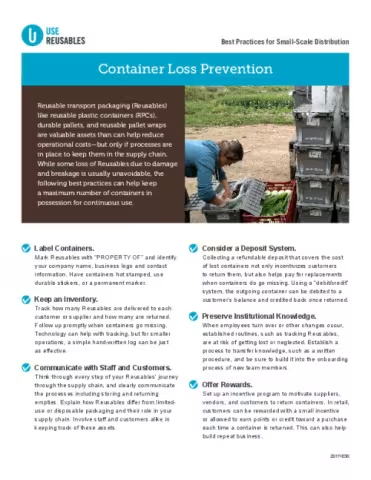
Container Loss Prevention Guide for Reusable Transport Packaging
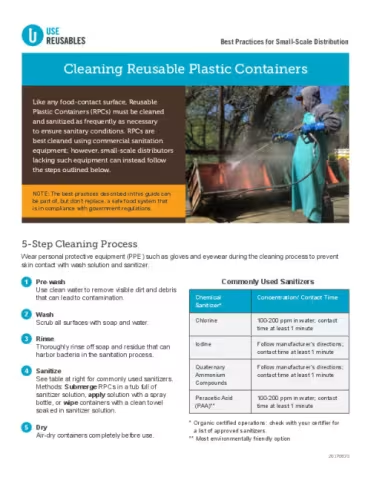
Cleaning and Sanitation Practices for Reusable Transport Packaging
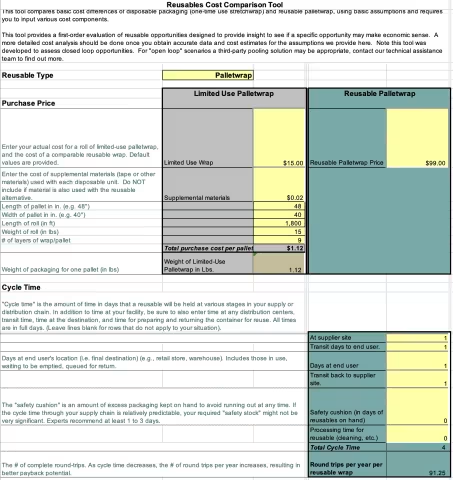
Reusable Transport Cost Calculators
More Resources
- Reusable Packaging Association (RPA) — Trade association of manufacturers, poolers, distributors, and retailers committed to reusable packaging systems. Promotes the environmental, safety, and economic benefits of reusable packaging.
- Reusable Industrial Packaging Association (RIPA) — Represents North American reconditioners, manufacturers, and distributors of reusable industrial packaging. Promotes safe and sustainable design, manufacturing, and reuse for industrial packaging.
- California Product Stewardship Council (CPSC) — Nonprofit coalition of local governments, business partners, and environmental associations advocating for Extended Producer Responsibility to reduce the lifecycle impact of products and packaging.
Types of Reusable Transport Packaging
Image + Text

Hand-Held Containers
Image + Text

Pallets
Image + Text

Pallet Wraps & Bands
Image + Text

Bulk Containers & Drums
Image + Text

Dunnage
Is Reusable Transport Packaging Right for You?
If two or more of the statements below apply to your operations, reusable transport packaging may be a good fit for your organization.
Shipping Logistics
- You ship or receive goods in large or frequent shipments.
- Your shipping volume is relatively consistent.
- You use localized delivery routes or "milk runs" (frequent truck routes with the same start and end point).
Operations
- You have high packaging waste or disposal costs.
- You're making ongoing purchases of stretch wrap, boxes, or pallets.
- You're seeing frequent product damage during shipping.
- You have limited storage space. (Many reusables collapse when empty.)
- Workers have safety concerns related to current packaging practices such as frequent bending or lifting.
Organizational Readiness
- You have control over your shipping decisions.
- Your suppliers or vendors are open to operational changes.
- You have cost reduction or environmental sustainability goals.