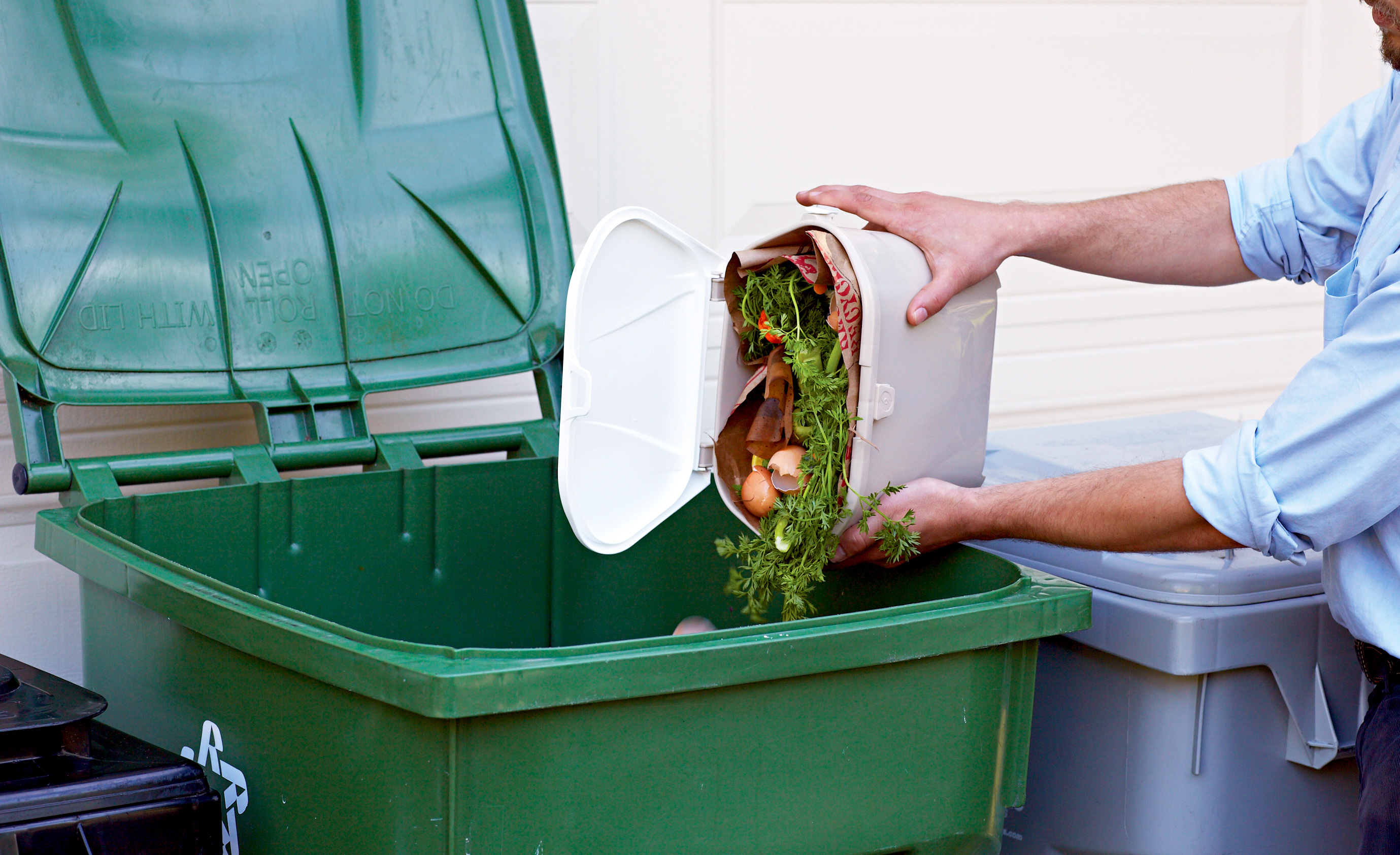
Keeping food scraps out of the landfill is one of the easiest and most impactful things you can do for the climate; it's also the law — California's SB 1383 requires residents and businesses to sort food scraps and food-soiled paper into the green bin.
Food scraps make up about 35% of what we throw away in Alameda County. In the landfill, they produce methane — a climate pollutant over 80 times more potent than carbon dioxide over a 20-year period. Composted instead, they become nutrient-rich soil that supports local farms and gardens.
Even better than composting is reducing food waste in the first place — through smarter shopping, better storage, and using what you have. And if you'd like to go beyond the green bin, you can compost at home in your own backyard.
What Goes in the Green Bin
Accepted Items
- Food scraps: fruits, vegetables, bread, cereal, dairy, meat (including bones), coffee grounds, filters, and tea bags
- Uncoated food-soiled paper: paper towels, paper plates, napkins, pizza boxes, and paper lunch bags. Use paper items to line your kitchen container or cart to keep it clean.
- Plant waste and untreated wood
Note: If paper or cardboard is shiny, smooth, or appears to have a plastic lining, do not put it in the green bin — it can create microplastics in compost.
What Does Not Go in the Green Bin
Thank you for helping create healthy compost by keeping contaminants out of the green bin.
- Plastic, glass, and metal
- Liquids
- Remove all plastic bags, wrapping, containers, twist ties, and stickers from food
- Compostable plastics (including bags, bin liners, foodware, and packaging) are not accepted or are discouraged in most jurisdictions — check your city's guidelines
- Pet waste
Refer to our RE:Source guide when you're unsure of what goes in your green bin. Select your city in the drop-down menu.
Compost Tips
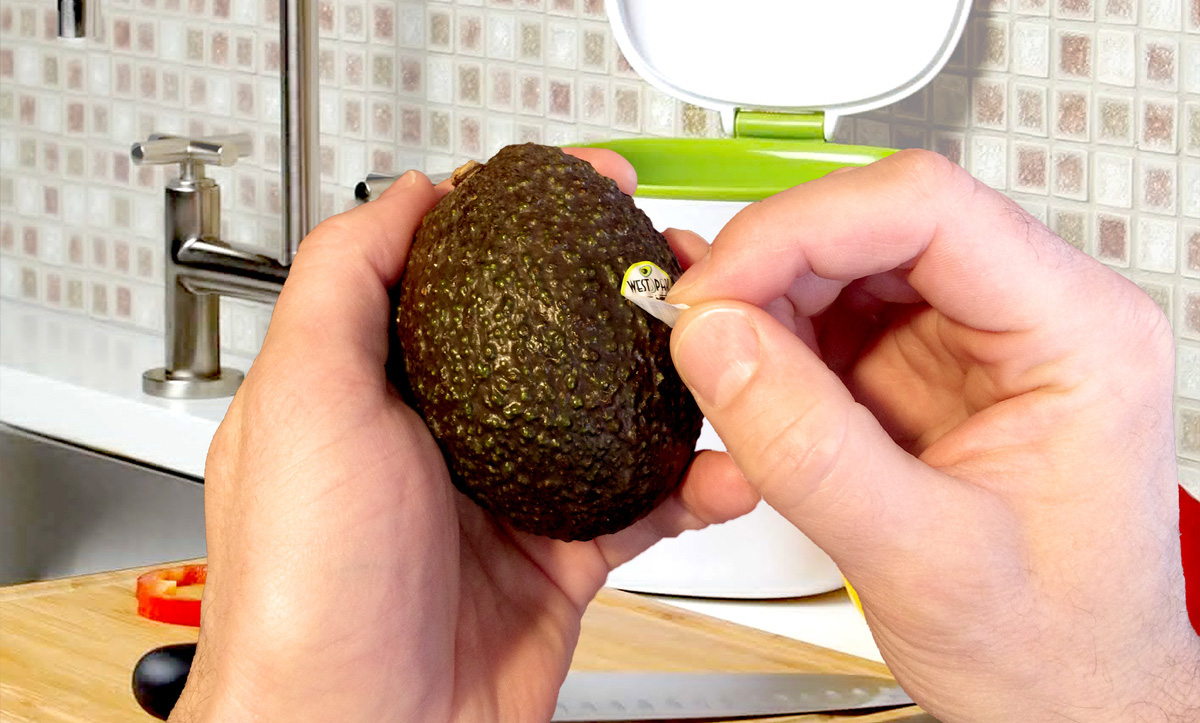
Keep Compost Clean
- Remove stickers, twist ties, and rubber bands from produce.
- Plastic, glass, and metal should never go in the green bin.
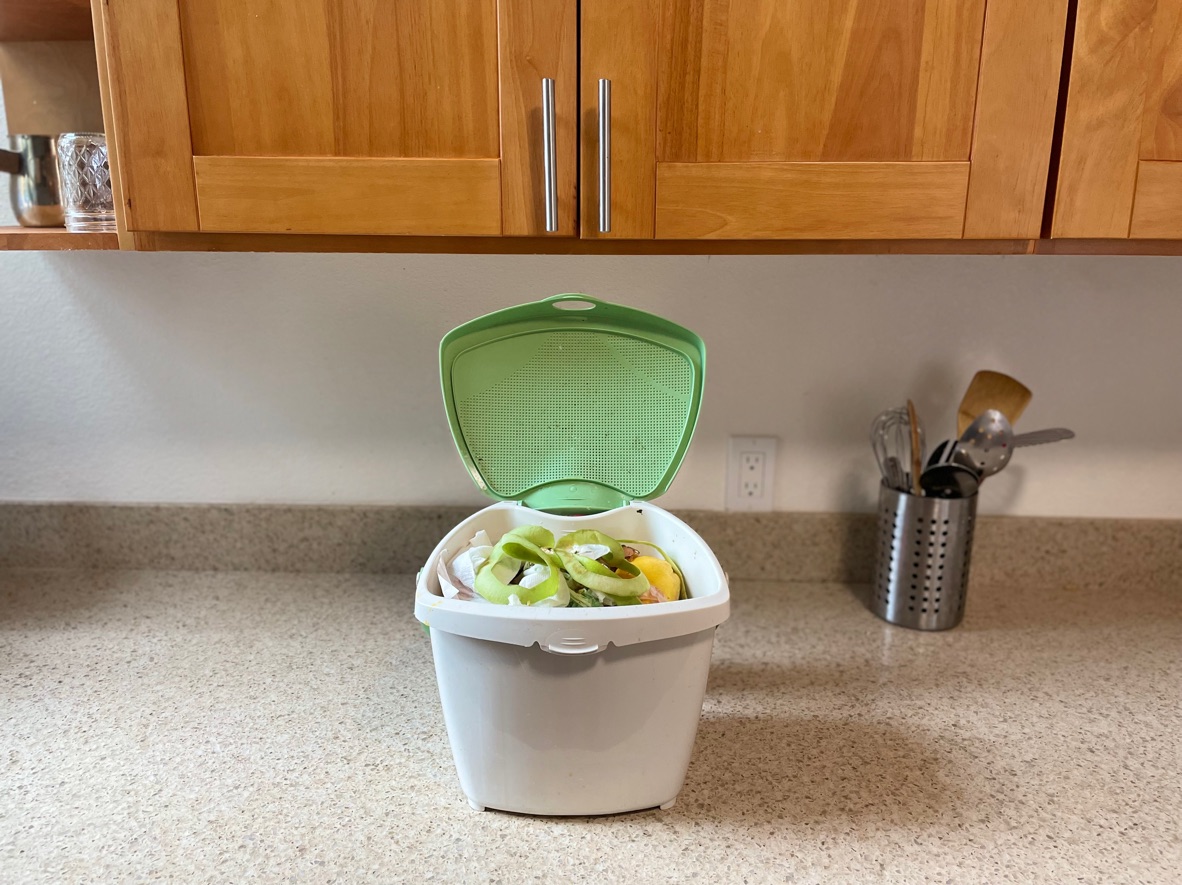
Collect Your Food Scraps
- Use a paper bag or newspaper to line your kitchen pail to collect food scraps.
- Keep a small bowl handy for food prep trimmings and for scraping your plate.
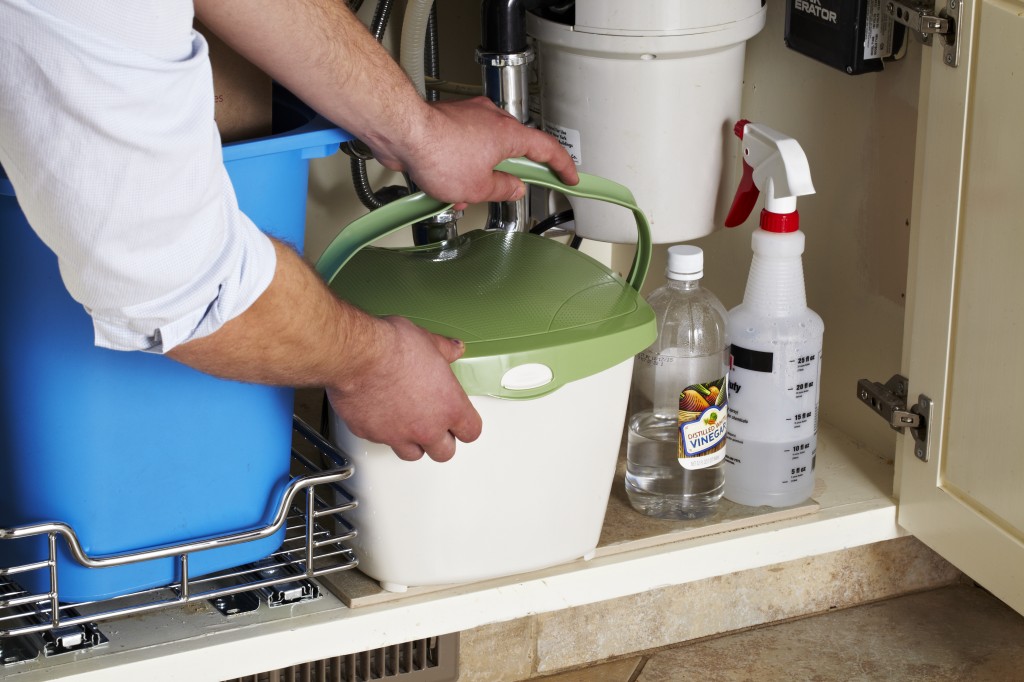
Store Your Food Scraps
- On the counter
- Under the sink
- In the fridge or freezer — especially for meat and fish or during hot weather.
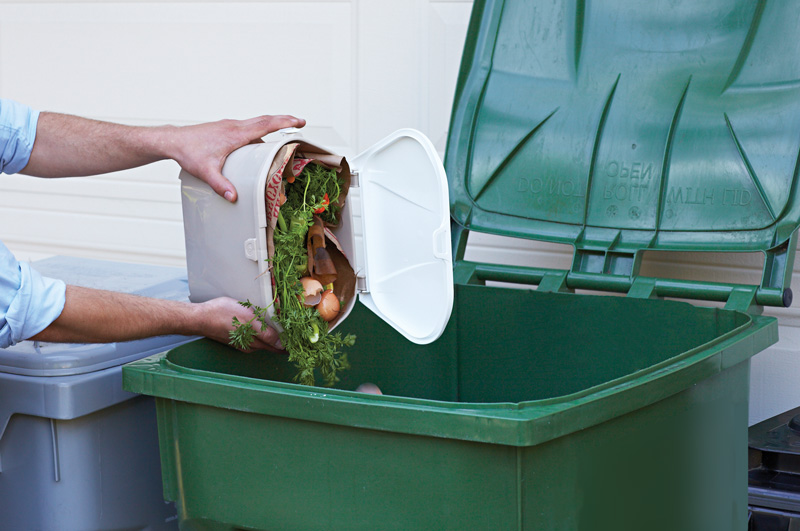
Put Your Food Scraps in the Green Cart
- Toss your paper bag of food scraps in the green cart.
- Empty food scraps from your collection pail or bowl into the green cart.
- Line the bottom of green cart with newspaper or leaves to keep it clean.
- Green carts with food scraps should be collected weekly to prevent insects and pests.
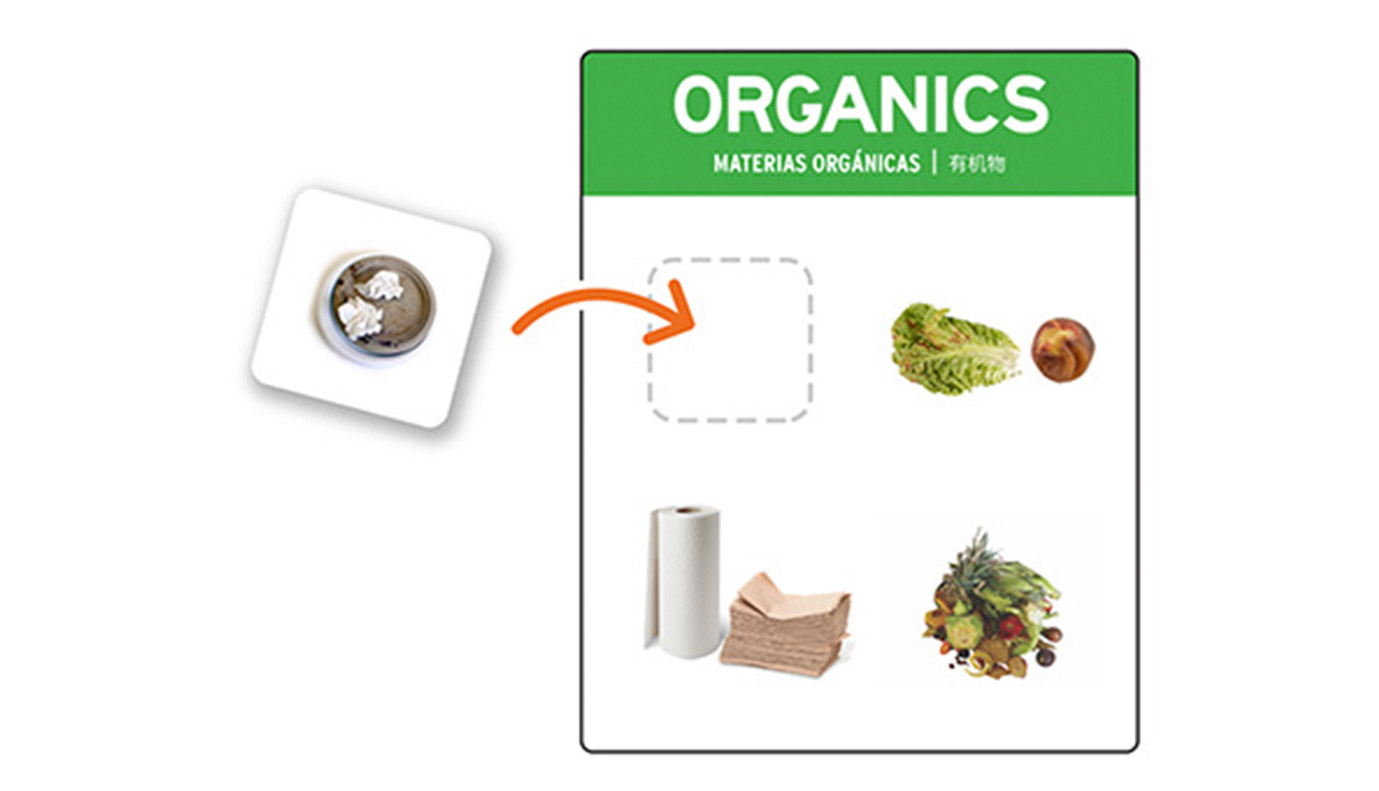
Be a Helpful Host
Remind guests and family to sort correctly. Create visual aids with our Sign Maker tool.
Learn More
For Residents
- Find your city's curbside recycling and composting programs
- Make your own backyard compost
- Get food waste prevention tips and resources
For Businesses
For more information about composting, soil health, and how compost is made, visit our Compost & Soil Health section.