SB 1383 includes requirements for food recovery organizations and services that receive donated food from commercial generators.
What's Required
Food recovery organizations must:
- Maintain monthly records of food recovered from Tier 1 and Tier 2 donors:
- Type of food
- Frequency of pickups
- Pounds of food recovered
- Submit annual reports on total pounds recovered
Compliance Steps
Step 1: Assess Capacity
Evaluate your organization's ability to receive and distribute donated food from commercial sources.
Step 2: Establish Written Agreements
Create formal agreements with food generators. Templates are available:
Resource List
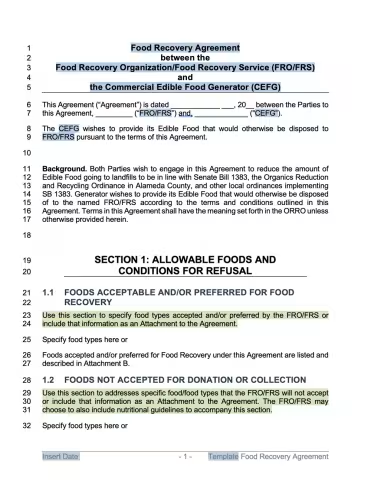
Customizable Food Recovery Agreement Templates
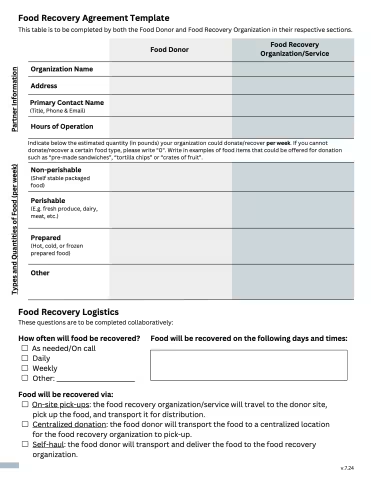
Simplified Food Recovery Agreement Template
Step 3: Maintain Records
Track all food recovered from Tier 1 and Tier 2 generators using monthly logs:
Resource List
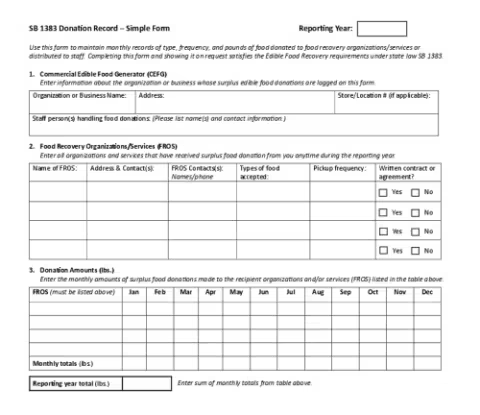
Simple Printable Food Donation Log
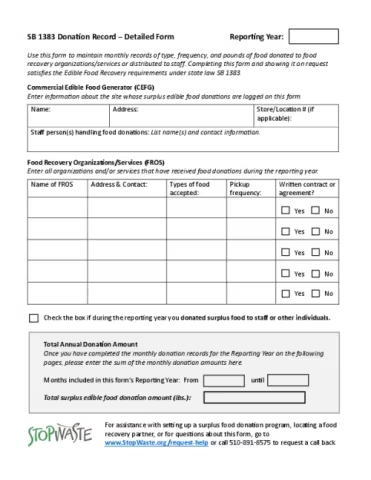
Detailed Printable Food Donation Log
Step 4: Submit Annual Reports
Report total pounds recovered using the Food Recovery Organizations & Services Reporting Form.
Reporting Schedule
| Reporting Year | Portal Opens | Deadline |
|---|---|---|
| 2025 | January 2, 2026 | March 31, 2026 |
| 2026 | January 2027 | March 31, 2027 |
| 2027 | January 2028 | March 31, 2028 |
Resources
Funding & Support
Nonprofits may be eligible for equipment grants up to $10,000 for refrigeration, storage, and transport equipment through StopWaste's Surplus Food Donation Equipment Grants program.
The Alameda County Food Recovery Network brings together 50+ organizations for collaboration, shared learning, and coordinated capacity planning. The Alameda County Community Food Bank (ACCFB) Food Recovery Program provides additional resources and support.
Report Non-Compliance
If you're aware of a commercial food generator not meeting their SB 1383 obligations, you can file a complaint online.
Call to Action
Need Help?
Contact: rules@stopwaste.org | (510) 891-6575