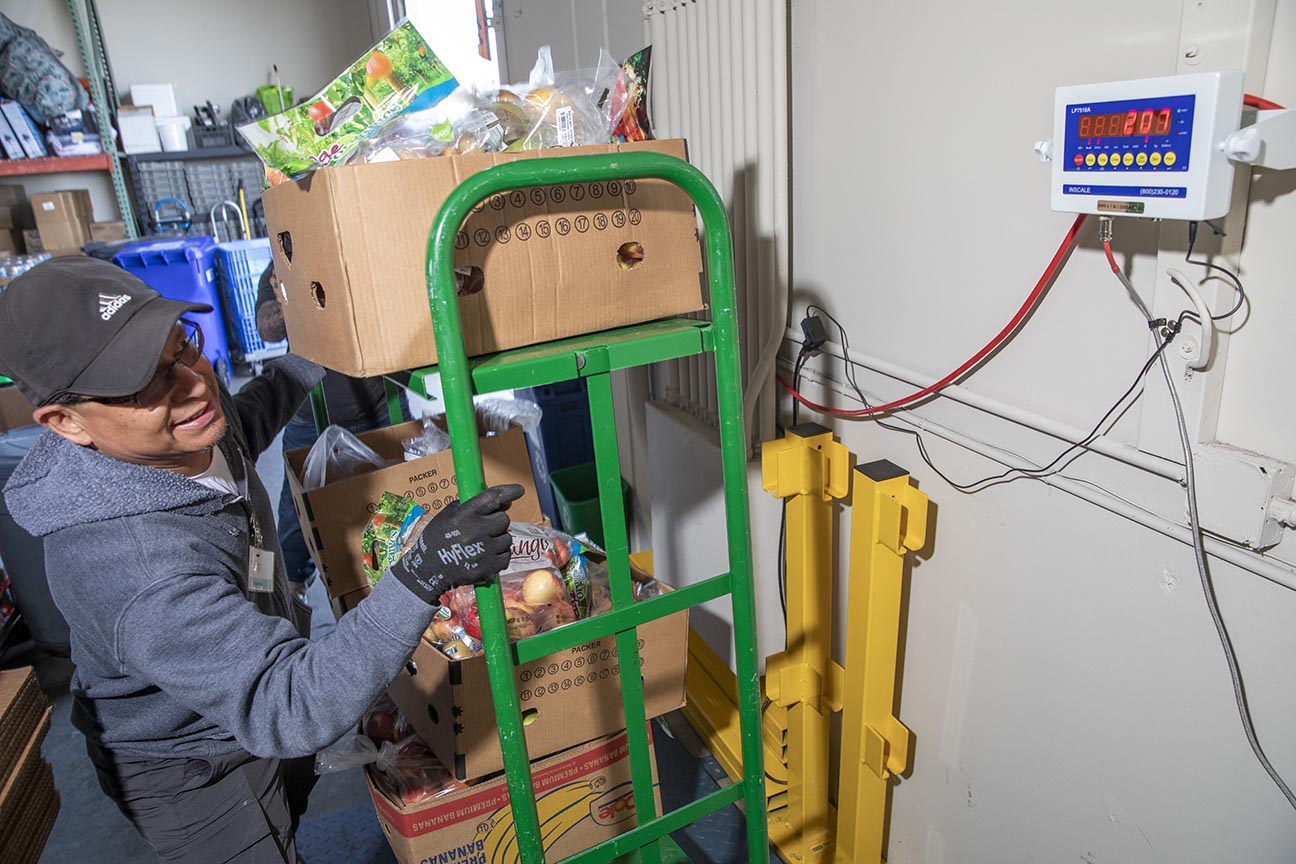
All organizations subject to SB 1383 food recovery requirements must keep monthly records of their food donations. Good record-keeping also helps you claim tax benefits and demonstrates your commitment to reducing food waste.
Tax Benefits for Food Donations
Donating food can provide meaningful tax benefits for your business. Federal tax law allows enhanced deductions for qualified food donations.
Key points:
- Donations of food inventory may qualify for enhanced tax deductions under the Internal Revenue Code
- Proper documentation of donations is essential for claiming deductions
- Consult with a tax professional for your specific situation
Resources:
- Guide to Tax Deductions from Food Donations (Harvard Food Law and Policy Clinic)
What to Track
Each month, document:
| Required Information | Example |
|---|---|
| Type of food | Produce, prepared meals, bakery items |
| Frequency | 3 pickups per week |
| Pounds donated | 450 lbs |
This includes food distributed directly to staff or other individuals.
Download Tracking Forms
StopWaste provides two donation record-keeping templates, one simple and one more detailed. Both templates help you record the type, frequency, and total pounds of food donated each month
Resource List
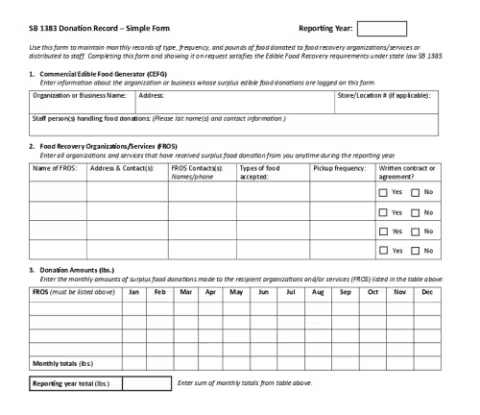
Simple Printable Food Donation Log
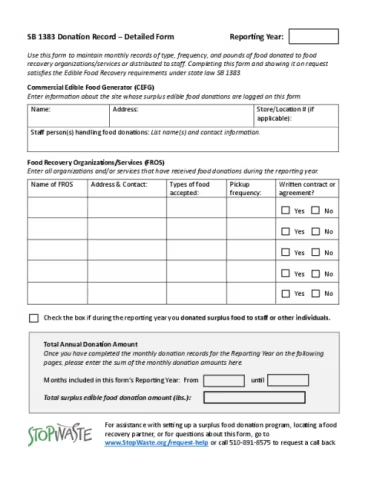
Detailed Printable Food Donation Log
Tips for Accurate Tracking
- Weigh donations before pickup when possible
- Estimate consistently if exact weights aren't available
- Keep copies of your records for at least 5 years
- Coordinate with partners — they may track weights at receiving
Alternative Compliance and Best Practices
If your business works to minimize surplus food generation rather than maximize donations, you can document your waste prevention strategies as an alternative compliance approach. This can be combined with food donation efforts.
Strategies include:
- Menu planning to reduce overproduction
- Inventory management improvements
- Discount sales programs for items nearing expiration
- Portion size adjustments
Use the Alternative Compliance Form to document your approach, and refer to the Best Practices to Reduce Surplus Edible Food guide for additional strategies.
Note: Sites that rarely generate surplus food are not exempt from record-keeping requirements. You must still maintain written documentation describing your circumstances.
Liability Protection
Your business is protected when donating food in good faith under:
- Food Donation Improvement Act (Federal, 2022)
- California Good Samaritan Food Donation Act (State, 2017)
- Bill Emerson Good Samaritan Food Donation Act (Federal, 1996)