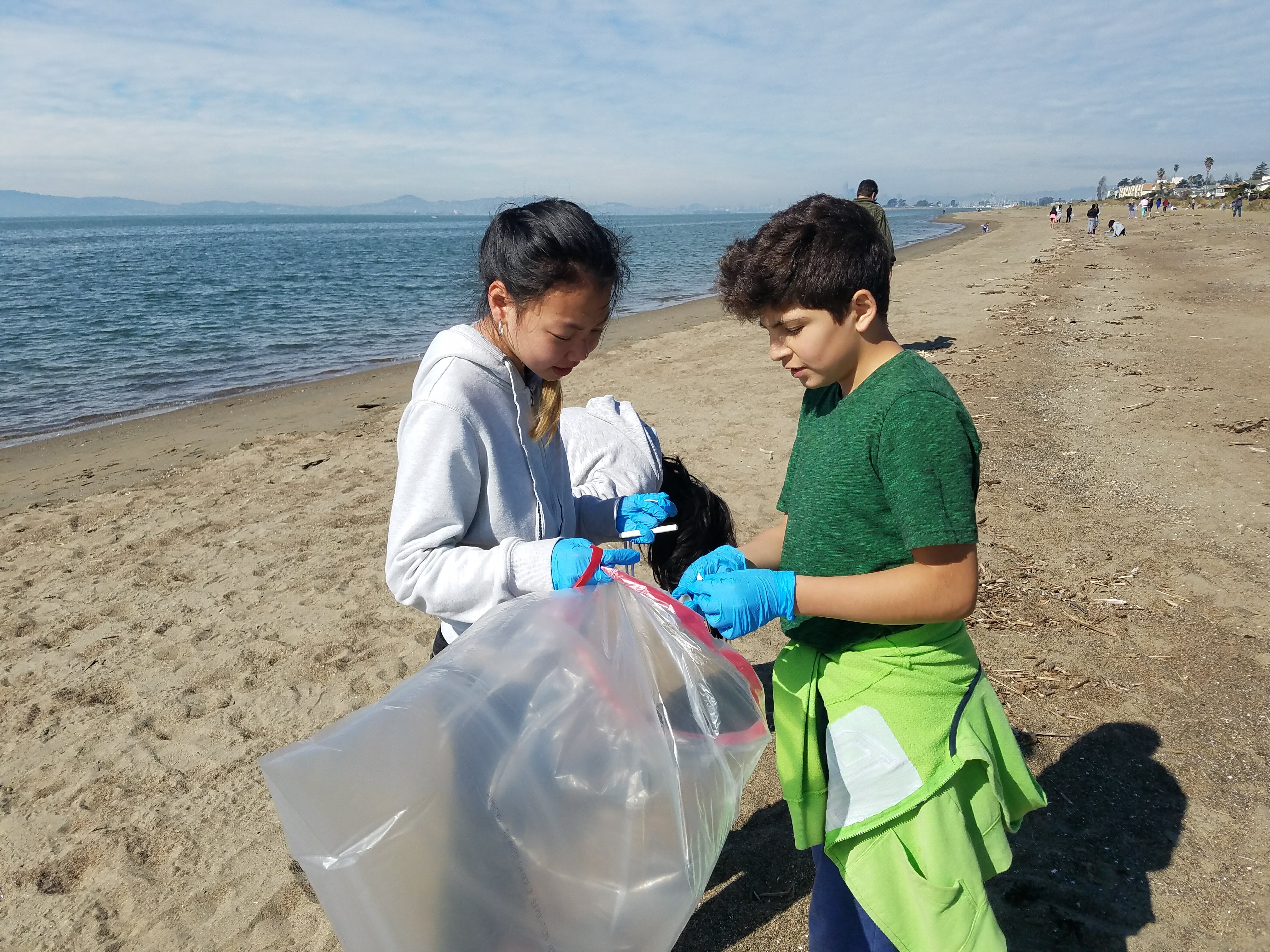
This Litter Free Action Project encourages families to investigate litter in their communities and take action to reduce single-use packaging.
The World Economic Forum reports that more than 150 million metric tons of plastic are already in the ocean, and that amount is still increasing. Small items like straws and other single-use plastics are difficult to recycle, so they often end up in landfills, waterways, and eventually the ocean.
In the Litter Free Action Project, students explore how litter moves through and impacts local watersheds (the areas of land where all water drains to a shared body of water). Families can identify their local watershed, collect data on the types of litter they observe in their neighborhood (if any), and take action.
Resource List
Learn About Being Litter Free
Learning to be litter free helps protect our environment, wildlife, and waterways from pollution that can cause long-term harm. It also builds habits and awareness that empower people to take responsibility for their communities and prevent waste at its source.
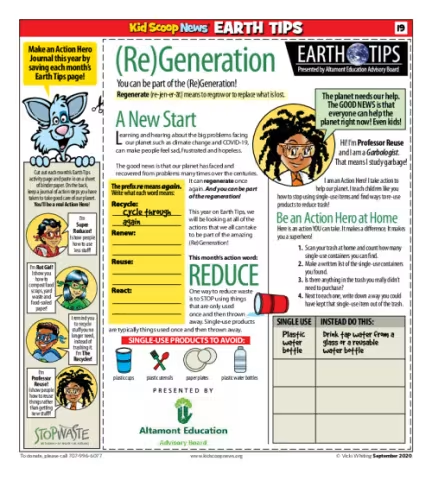
KidScoop News in partnership with the Altamont Education Advisory Board, created these earth tip activity pages that showcase and spotlight many of StopWaste’s student and teacher action heroes.
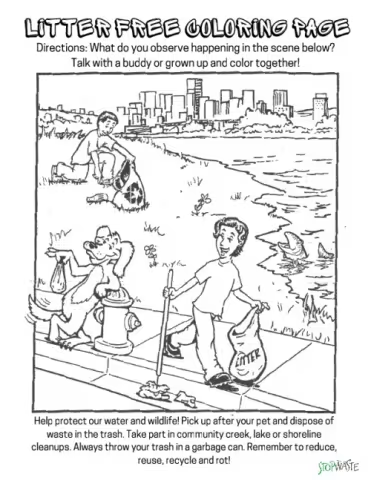
What does it look like to clean up litter in our communities? How do you use your voice to say no to plastic bags at the grocery store and bring my own? Color these pages as you reflect on these questions about reducing single-use plastic and preventing litter.
Learn about the lifecycle of a plastic product and the nonrenewable resources used to make it.
Resource List
Take Action to be Litter Free
Taking action as a family to reduce litter and use reusables helps build everyday habits that prevent waste before it reaches streets, waterways, and the environment. Working together also makes it easier to stay consistent and shows how small choices at home can add up to a meaningful impact in your community.
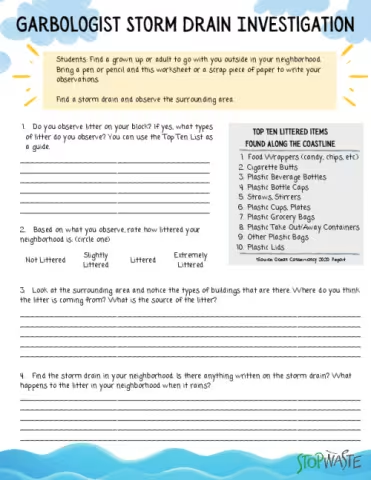
What happens to litter that ends up near or in our storm drains? Without needing to pick up litter, students can make observations and ask questions while exploring litter in and around the nearest storm drain.
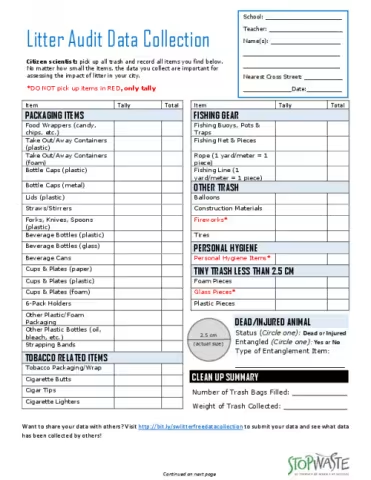
The litter audit is an opportunity for students to investigate and see first-hand the types of litter, if any, they find in their neighborhood. After the audit is complete, students can share their findings and use data to draw conclusions about common types of litter, where it comes from and what actions can be taken to prevent litter in the first place! After you complete your litter audit, you data can be submitted online here - Litter Audit Data Collection.
The League of 4Rs Action Heroes is a group of everyday students doing extraordinary things to reduce waste and create a healthier earth. Students can celebrate their own actions by creating their own Action Hero Identity - complete with super hero name, illustration, and origin story!
Share Your Litter Free Story
Now that you've taken action, it's time to join the League of 4Rs Action Heroes and share our collective stories.
Image + Text
Image
Write a Letter
Tell Us How You're a Reuse Scientist
Now that you've taken action, it's time to join the League of 4Rs Action Heroes and share our collective stories.