What is SAGE?
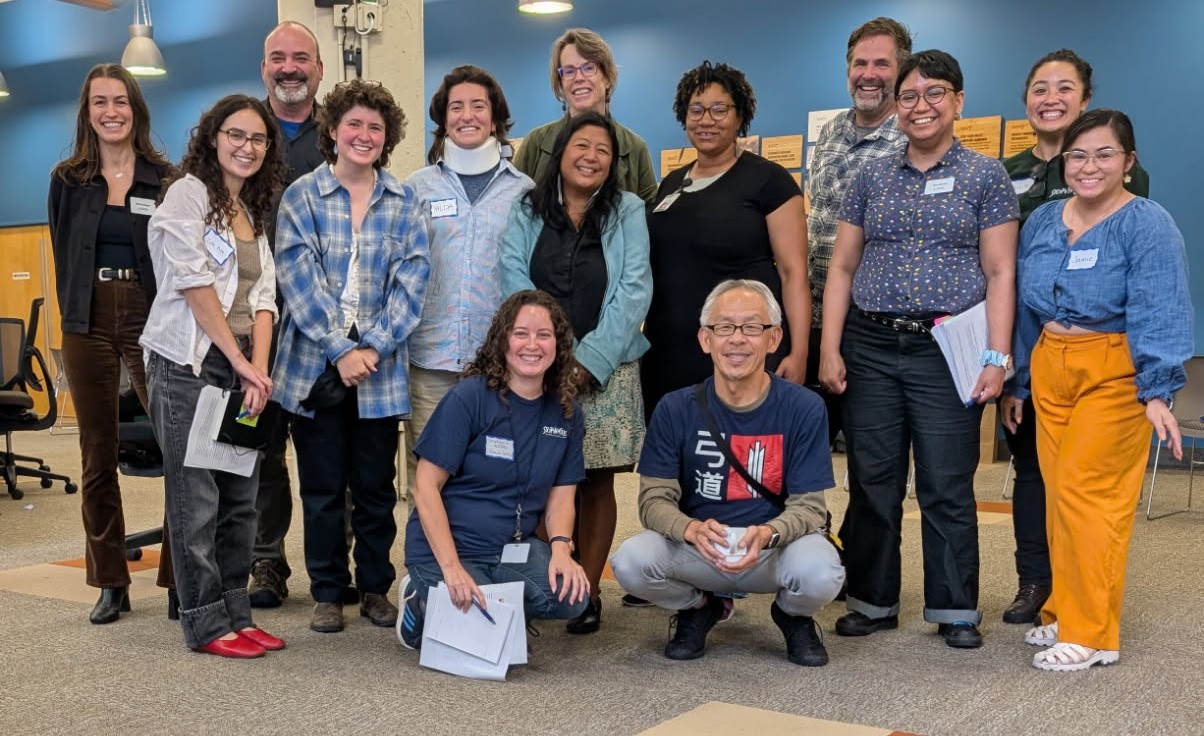
SAGE brings together school district representatives, waste haulers, and community partners to strengthen environmental education and waste reduction programs throughout Alameda County. As a community of practice, SAGE focuses on advocacy for schools, green workforce development, sharing best practices, and environmental and climate literacy.
Current Focus
- Reusable food ware programs — Fremont USD is leading the way with six elementary schools serving meals on reusables, diverting over 40,000 pounds from landfill
- Milk dispenser pilots — Replacing single-use milk cartons with bulk dispensers at elementary schools
- Compostable plastics transition — Evaluating sustainable alternatives to single-use items
- SB 1383 compliance — Supporting districts with food waste recovery requirements and annual reporting
- Climate literacy — Implementing environmental and climate literacy across Alameda County K-12 schools
- Custodial training — Supporting waste reduction at the operational level
Numbers Cards
15 Districts
School districts participating in SAGE county-wide.
4 Haulers
Waste management companies collaborating with schools.
Since 2017
Building on the earlier Think Take Warriors initiative.
Who Participates
School Districts
- Alameda Unified
- Albany Unified
- Berkeley Unified
- Dublin Unified
- Emery Unified
- Fremont Unified
- Hayward Unified
- Livermore Valley Joint Unified
- New Haven Unified
- Newark Unified
- Oakland Unified
- Piedmont Unified
- Pleasanton Unified
- San Leandro Unified
- San Lorenzo Unified
Partners
- Waste haulers: Waste Management, Republic Services, Amador Valley Industries, Pleasanton Garbage Service
- Community partners: Go Green Initiative, Community Action for a Sustainable Alameda (CASA), Altamont Education Advisory Board, Piedmont Connect,
- Sanitary districts: Oro Loma Sanitary District
- City sustainability coordinators
- StopWaste staff
History
SAGE was formalized in 2017, building on the earlier Think Take Warriors initiative. The group was created to give schools a voice in county-wide sustainability conversations. Schools are often the largest landowners, employers, and food service providers in their communities, making their input critical to waste reduction decisions across the county.