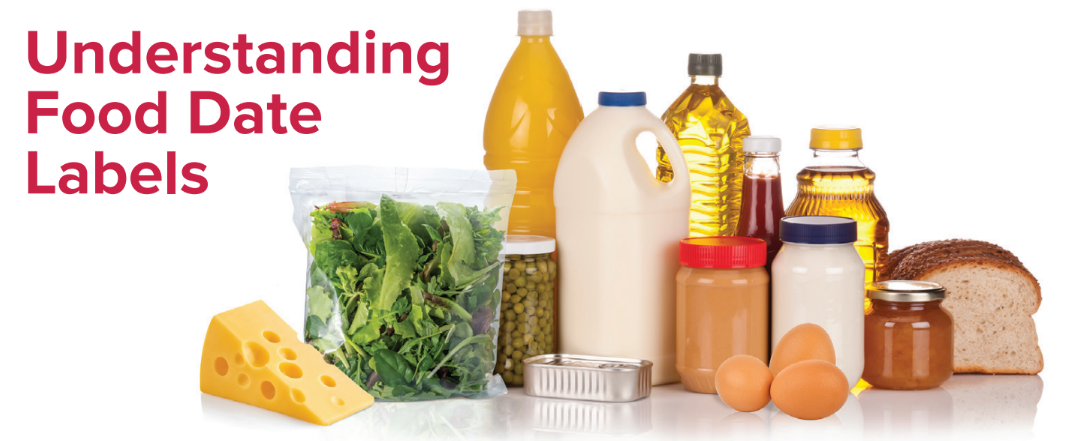
Confusion over food date labels is responsible for an estimated 20 percent of consumer food waste. Most people assume that the dates printed on food packaging indicate when food is no longer safe to eat. In reality, with the exception of infant formula, date labels are about quality — not safety.
Understanding what these labels actually mean can help you make better decisions about the food in your kitchen, waste less, and save money.
What Date Labels Really Mean
Manufacturers apply a variety of date labels — "expires on," "best before," "sell by," "enjoy by," "good thru" — to indicate when a product will be at its peak quality and flavor. These labels are currently voluntary and vary by state, which adds to the confusion.
Best If Used By / Best Before
These labels refer to a product's estimated quality, not food safety. The food may still be perfectly safe and nutritious after this date — it just may not be at its absolute peak freshness or flavor.
Use By
This label is related to food safety and is typically reserved for highly perishable foods. Food should generally not be consumed after this date. For infant formula, the "Use By" date ensures the product meets its nutritional claims and must be followed.
Sell By
This label is meant for a store's internal inventory management only — it tells the store how long to display the product for sale. It is not a safety date. Often, at least a third of the product's shelf life remains after the "Sell By" date.
Freeze By
This label indicates when a product should be frozen to maintain peak quality. Freezing food before this date extends its usable life significantly.
Tips for Using Date Labels Wisely
- Plan meals around what you have — Use the 'First In, First Out' rule and be sure to use your older items first. Take inventory of what you have and build it into your shopping and meal plans.
- Store food properly — Proper storage extends the life of most foods well beyond date labels. The contrary is also true - if food is left out in the heat or stored improperly, it can spoil before the listed date.
- Freeze before the date — Most foods can be frozen to extend their life. Freeze bread, meat, dairy, and many other items at their peak if you know you won't use them in time.
- Don't toss based on dates alone — Use your senses to evaluate food quality before discarding. If the food has an off look or smell, put it in the compost.
Trust Your Senses
No matter what the date label says, the best indicator of freshness is using your eyes and nose. For the most part, you can trust your senses to know when food has gone bad. If food looks, smells, and feels normal, it is likely still fine to eat — even if the "Best By" date has passed.
Discard items that show signs of spoilage, even if it is well before the listed date: off odors, unusual texture, mold, or significant discoloration.
Additional Resources
- Food Expiration Date Guide — Quick Reference — At-a-glance guide to how long common foods last
- Food Expiration Date Guide — Detailed — Comprehensive guide with storage times for a wide range of foods
- Deciphering Food Date Labels — StopWaste topic brief on date label confusion and proposed legislation
- USDA FoodKeeper App — Storage times for hundreds of food and beverage items
- FoodSafety.gov — Federal food safety information and resources
Run a Business?
If you manage a grocery store, restaurant, or other food business, date labels play a key role in food donation compliance. Many foods past their quality dates can — and should — still be donated. See Food Safety & Date Labels for Businesses for donation guidelines, what can and can't be donated, and resources for food recovery partners.