Understanding date labels helps maximize safe food donations. Many foods remain safe to donate even after their printed dates.
Understanding Date Labels
The USDA confirms that except for infant formula, dates are not an indicator of a product's safety and aren't federally required. Most date labels indicate quality, not safety:
| Label | Meaning |
|---|---|
| Sell By | Store guidance for inventory rotation—not a safety date |
| Best By / Best Before | Peak quality date—food is often safe well beyond |
| Use By | Manufacturer's quality recommendation (except infant formula) |
Food recovery organizations may accept items past their "best by," "best before," or "sell by" dates.
What Can Be Donated?
Many products remain safe and nutritious past their date labels:
- Canned goods — Often safe for years beyond printed dates if undamaged
- Dry goods — Pasta, rice, cereals typically safe well past dates
- Frozen items — Quality may decline but safety maintained if continuously frozen
- Dairy — Check with your food recovery partner for specific guidelines
Always exclude:
- Infant formula past its use-by date
- Visibly damaged, leaking, or bulging cans
- Food with obvious spoilage signs
Resource List
Resources
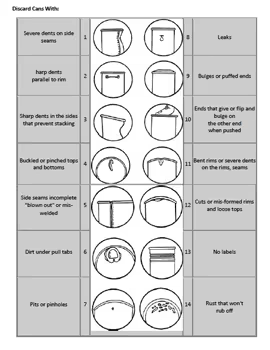
Canned Food Donation Guide
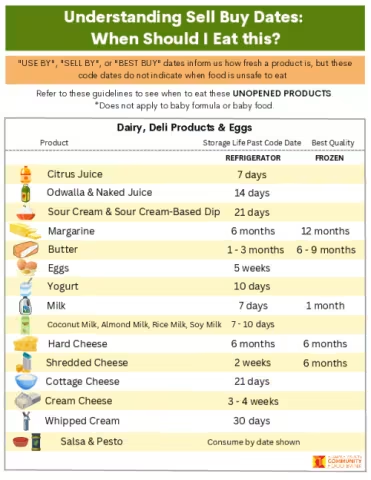
Food Expiration Date Guide (Quick Reference)
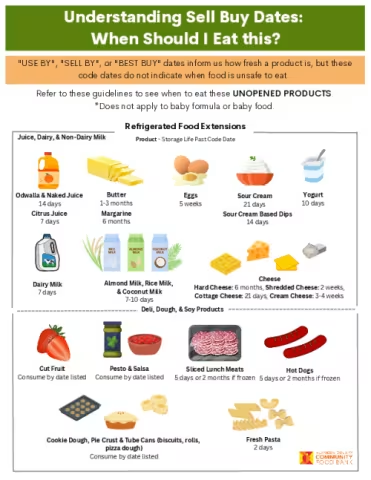
Food Expiration Date Guide (Detailed)
Check with Your Partner
Food recovery organizations have varying acceptance policies. Contact your partner organization to understand their specific requirements for:
- Products past printed dates
- Temperature-sensitive items
- Prepared foods
Not a Business?
For tips on understanding date labels in your own kitchen — what "best by," "sell by," and "use by" really mean, and how to waste less food at home — see Understanding Food Date Labels.