Wayfinding Cards

Building a Healthy Food System

Advancing a Circular Economy

Innovative Bay Area Construction Sector
Our Approach
Our commitment to environmental sustainability and responsible resource management continually evolves, adapting to the diverse needs of our communities while elevating our local economy. The goals and focus areas below were shaped by our recent strategic planning process and underscore our commitment to waste prevention, advancing a circular economy, driving innovation and material reuse within the construction sector, and supporting a robust local food system.
Through strategic partnerships and thoughtfully designed programs, we prioritize keeping materials in circulation and champion systems that yield environmental, economic, and community health benefits. Our approach encourages staff collaboration across focus areas, unified by a common mission and shared goals. Central to all we do is supporting our member agencies to achieve their objectives effectively.
Our programs are rooted in the principle that equity and environmental stewardship are essential for thriving, sustainable communities. Throughout our history, our success has been anchored in the expertise of our staff and the strength of our collaborations with local governments, educational institutions, businesses, nonprofits, and community groups.
Healthy Local Food System
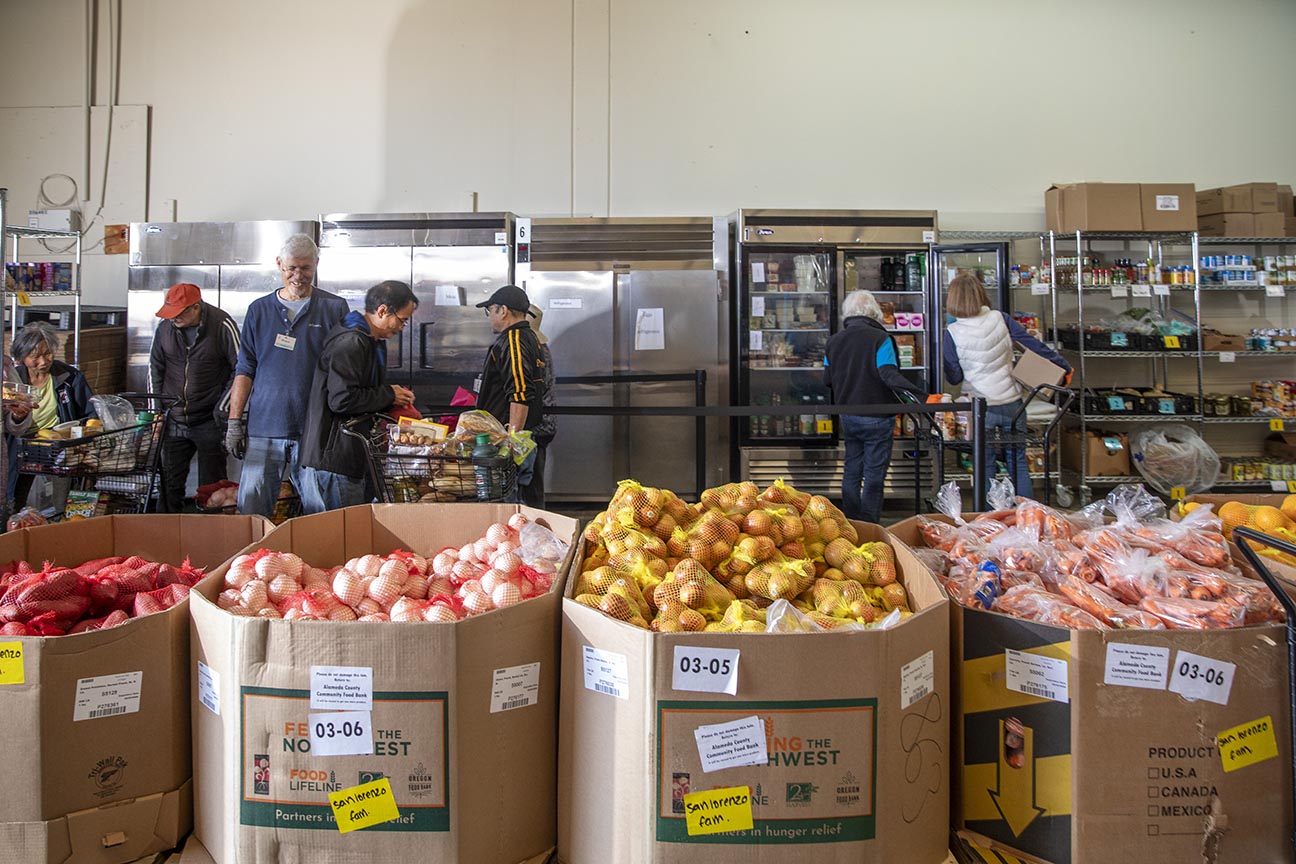
A network of food recovery organizations partner with businesses across Alameda County to donate healthy, surplus edible food to nourish communities. Here, staff and volunteers sort donated food at the San Lorenzo Family Help Center.
A healthy, equitable food system that minimizes food loss and waste, while prioritizing soil health, local livelihoods, and community access to nutritious food.
1. Food Waste Prevention
Focuses on preventing food waste through outreach and education, business assistance, and schools' programs. Key activities include the Stop Food Waste public outreach campaign, connecting food waste prevention technical assistance to businesses, regional partnerships, and implementing food waste prevention programs in school cafeterias and classrooms to maximize impact. Learn more.
2. Edible Food Recovery
Concentrates on strengthening food recovery and donation systems through policy support, network capacity building, and grant programs. Activities include providing technical assistance for SB 1383 compliance, strengthening food recovery organizations through the Alameda County Food Recovery Network, and streamlining the grants program. Learn more.
Key initiatives:
- Stop Food Waste public awareness campaign
- Alameda County Food Recovery Network
- School food share tables and cafeteria programs
- SB 1383 compliance support and enforcement
Thriving Circular Economy
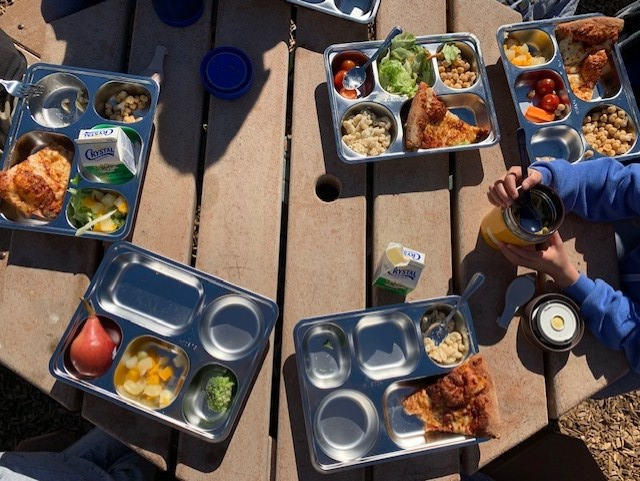
StopWaste and partners have helped 26 Alameda County schools transition from disposable to reusable stainless steel foodware, eliminating 3 million single-use items from the waste stream.
An equitable, flourishing circular economy that enables easy and affordable access to repair, reuse, and refill services designed to prevent waste, and a recycling and composting system that contributes to material circularity in ways that are good for people and the planet.
1. Compost and Mulch Market Development
Efforts focus on increasing markets for compost use throughout Alameda County through policy advocacy, community partnerships, and on-site composting operations. Activities include providing SB 1383 procurement support for member agencies, expanding local composting access and capacity through urban farm partnerships and compost hubs, and the StopWaste Environmental Educator Training (SWEET) program. Learn more.
2. Increase Organics Recycling
Emphasizes increasing organics recycling through SB 1383 implementation, school sorting systems, and contamination reduction. Key activities include enforcement of collection requirements, providing technical assistance, supporting schools with three-stream sorting systems, and conducting studies on contamination reduction strategies. Learn more.
3. Circularity in Packaging and Foodware
Focuses on addressing packaging and foodware waste through policy development and building reusable foodware systems and infrastructure. Activities include leadership in SB 54 implementation, helping schools transition to reusables in the cafeteria, providing technical assistance to businesses, evaluating reusable foodware ordinances, and promoting reusable transport packaging through grants and research. Learn more.
4. Reusable Bag Policy
Concentrates on updating and implementing the reusable bag ordinance to align with state laws. Key activities include implementing the amended countywide ordinance, outreach to stores, conducting parking lot surveys, and reviewing bag sales data. Learn more.
5. Upstream Waste Prevention and Proper Disposal
Addresses waste prevention through policy, public outreach, and outreach for proper household hazardous waste management. Activities include promoting the Agency's RE:Source guide for reuse, repair, and recycling, convening the Reuse and Repair Network, promoting HHW facilities and proper disposal, exploring upstream solutions for HHW through policy, and hosting educational tours at transfer stations. Learn more.
Key initiatives:
- SB 1383 organics collection implementation
- Compost Hub network
- Reusable foodware programs in schools
- RE:Source guide
- SB 54 packaging reform advocacy
Innovative Bay Area Construction Sector
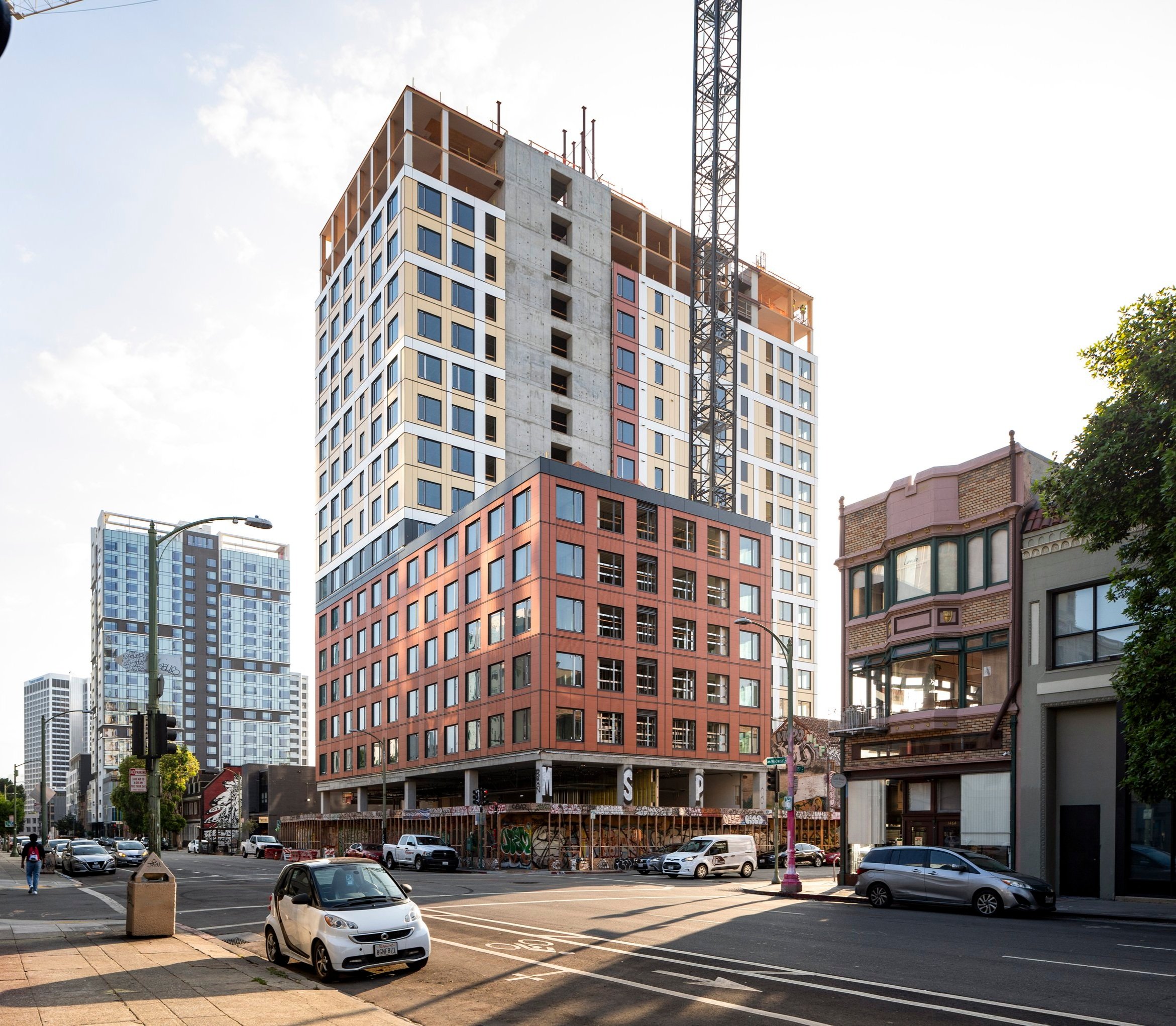
Mass timber and prefabricated construction methods help Bay Area builders reduce material waste, lower embodied carbon, and cut construction timelines — advancing a more resource-efficient building sector.
A Bay Area construction sector that advances energy and resource efficiency in the built environment to prevent waste, fight climate change, and improve the health of our communities.
1. Market Development for Circular Building Materials
Focuses on increasing demand for circular building materials, developing a materials reuse infrastructure, and advancing low-carbon policies. Key activities include promoting a circular "Materials Palette," conducting research on construction materials management to identify waste prevention and reuse opportunities, expanding regional infrastructure for building reuse, and providing design assistance for low-embodied carbon requirements. Learn more.
2. Advancing Energy Efficiency and Clean Energy Transition
Promotes energy efficiency and clean energy through BayREN programs and contractor engagement. Activities include contributing to BayREN's strategic plan, evolving the multifamily building program, transitioning the Home Energy Score to statewide administration, supporting member agency participation, and expanding workforce development. Learn more.