Smart Cafeteria Initiative - July 2020
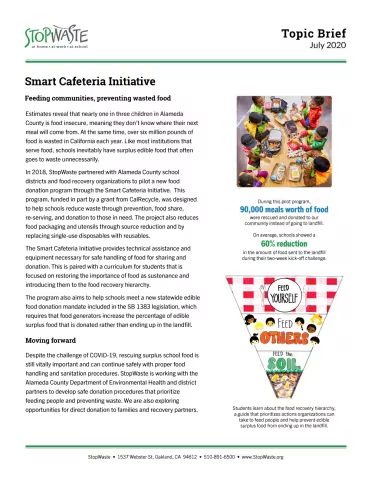
In 2018, StopWaste partnered with Alameda County school districts and food recovery organizations to pilot a new food donation program through the Smart Cafeteria Initiative. This program, funded in part by a grant from CalRecycle, was designed to help schools reduce waste through prevention, food share, re-serving, and donation to those in need. The project also reduces food packaging and utensils through source reduction and by replacing single-use disposables with reusables.The Smart Cafeteria Initiative provides technical assistance and equipment necessary for safe handling of food for
Sustainable Landscapes in Alameda County - June 2020
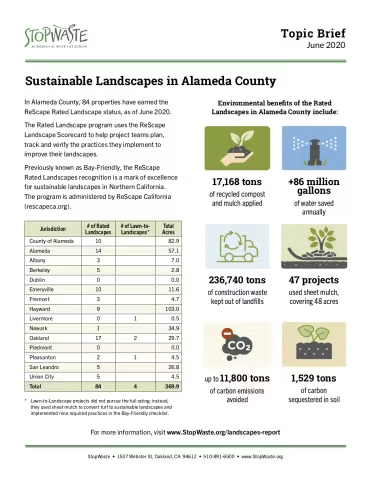
In Alameda County, 84 properties have earned the ReScape California Rated Landscape status, as of June 2020. The program scorecard helps project teams plan, track and verify the practices they implement to improve their landscapes. Previously known as Bay-Friendly, the recognition is a mark of excellence for sustainable landscapes in Northern California. The program is administered by ReScape California ( rescapeca.org). For more information, visit the 2020 Sustainable Landscapes Report.
Building Healthy Soil with Compost - May 2020
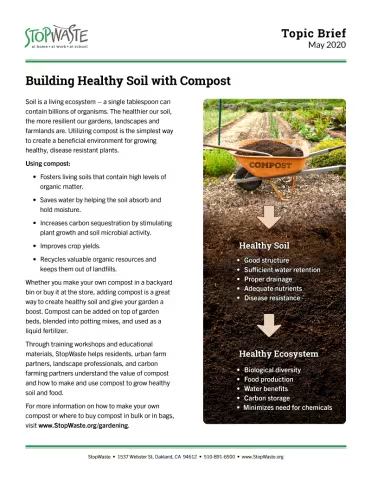
Soil is a living ecosystem – a single tablespoon can contain billions of organisms. The healthier our soil, the more resilient our gardens, landscapes and farmlands are. Utilizing compost is the simplest way to create a beneficial environment for growing healthy, disease resistant plants. Using compost: Fosters living soils that contain high levels of organic matter. Saves water by helping the soil absorb and hold moisture. Increases carbon sequestration by stimulating plant growth and soil microbial activity. Improves crop yields. Recycles valuable organic resources and keeps them out of
The Problem with “Flushable” Wipes - April 2020
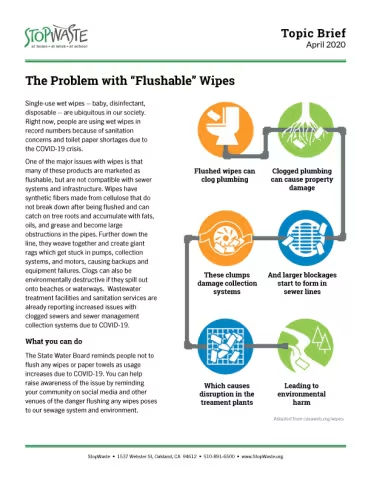
Single-use wet wipes – baby, disinfectant, disposable – are ubiquitous in our society. Right now, people are using wet wipes in record numbers because of sanitation concerns and toilet paper shortages due to the COVID-19 crisis. One of the major issues with wipes is that many of these products are marketed as flushable, but are not compatible with sewer systems and infrastructure. Wipes have synthetic fibers made from cellulose that do not break down after being flushed and can catch on tree roots and accumulate with fats, oils, and grease and become large obstructions in the pipes.
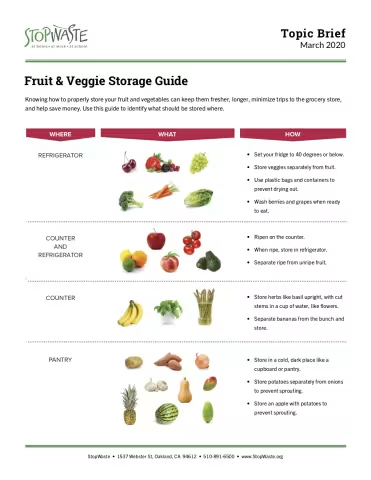
Fruit and Veggie Storage Guide - March 2020
Knowing how to properly store your fruit and vegetables can keep them fresher, longer, minimize trips to the grocery store, and help save money. Use this guide to identify what should be stored where.
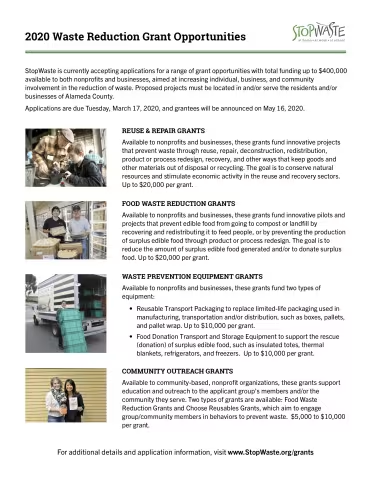
2020 Waste Reduction Grant Opportunities - February 2020
StopWaste is currently accepting applications for a range of grant opportunities with total funding up to $400k available to both nonprofits and businesses, aimed at increasing individual, business, and community involvement in the reduction of waste. Proposed projects must be located in and/or serve the residents and/or businesses of Alameda County. Applications are due Tuesday, March 17, 2020, and grantees will be announced on May 16, 2020.
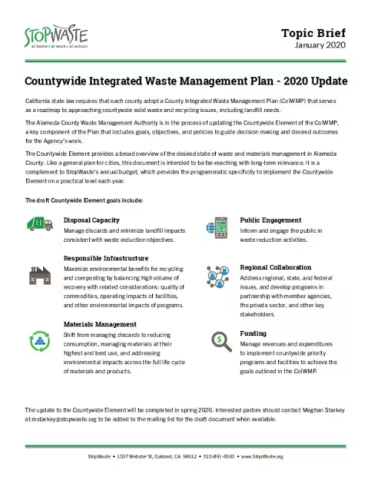
Countywide Integrated Waste Management Plan Update - January 2020
California state law requires that each county adopt a County Integrated Waste Management Plan (CoIWMP) that serves as a roadmap to approaching countywide solid waste and recycling issues, including landfill needs. The Alameda County Waste Management Authority is in the process of updating the Countywide Element of the CoIWMP, a key component of the Plan that includes goals, objectives, and policies to guide decision making and desired outcomes for the Agency’s work.
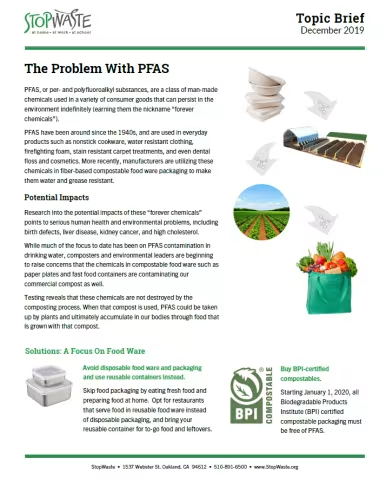
The Problem with PFAS - December 2019
PFAS, or per- and polyfluoroalkyl substances, are a class of man-made chemicals used in a variety of consumer goods that can persist in the environment indefinitely (earning them the nickname “forever chemicals”). PFAS and are used in everyday products such as nonstick cookware, water resistant clothing, and even dental floss and cosmetics. More recently, manufacturers are utilizing these chemicals in fiber-based compostable food ware packaging to make them water and grease resistant.
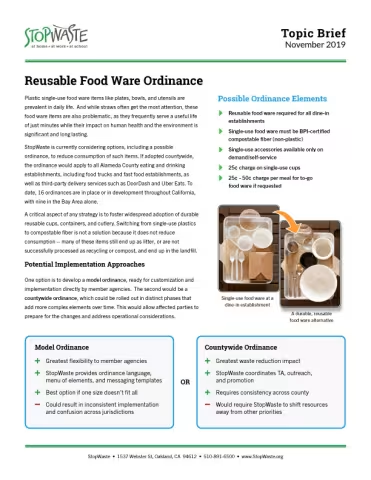
Reusable Food Ware Ordinance - November 2019
Plastic single-use food ware items like plates, bowls, and utensils are prevalent in daily life. And while straws often get the most attention, these food ware items are also problematic, as they frequently serve a useful life of just minutes while their impact on human health and the environment is significant and long lasting.
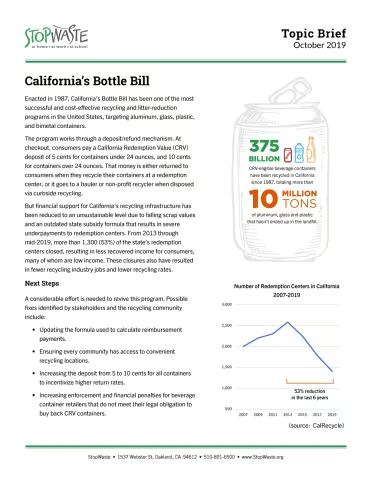
California's Bottle Bill - October 2019
Enacted in 1987, California's Bottle Bill has been one of the most successful and cost-effective recycling and litter-reduction programs in the United States, targeting aluminum, glass, plastic, and bimetal containers. But financial support for California's recycling infrastructure has been reduced to an unsustainable level due to falling scrap values and an outdated state subsidy formula that results in severe underpayments to redemption centers.