Schools-Based Community Outreach - September 2019
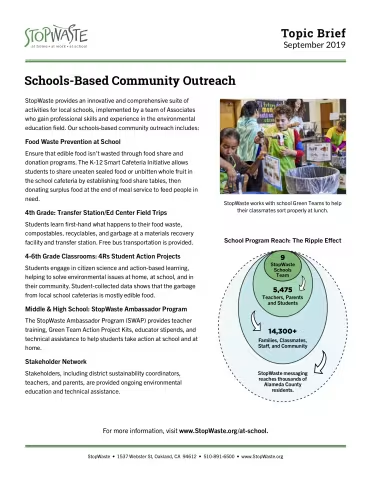
StopWaste provides an innovative and comprehensive suite of activities for local schools, implemented by a team of Associates who gain professional skills and experience in the environmental education field.
StopWaste Environmental Educator Training - June 2019
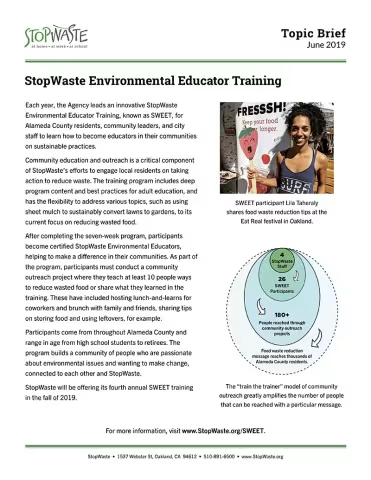
Each year, the Agency leads an innovative StopWaste Environmental Educator Training, known as SWEET, for Alameda County residents, community leaders, and city staff to learn how to become educators in their communities on sustainable practices. Community education and outreach is a critical component of StopWaste’s efforts to engage local residents on taking action to reduce waste. The training program includes deep program content and best practices for adult education, and has the flexibility to address various topics, such as using sheet mulch to sustainably convert lawns to gardens, to its
Business Efficiency Awards - May 2018
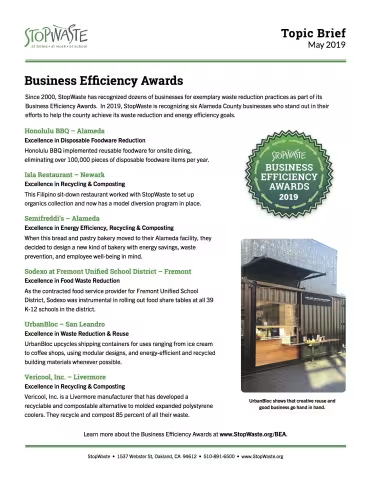
Since 2000, StopWaste has recognized dozens of businesses for exemplary waste reduction practices as part of its Business Efficiency Awards. In 2019, StopWaste is recognizing six Alameda County businesses who stand out in their efforts to help the county achieve its waste reduction and energy efficiency goals.
Carbon Farming and the Compost Connection - April 2019
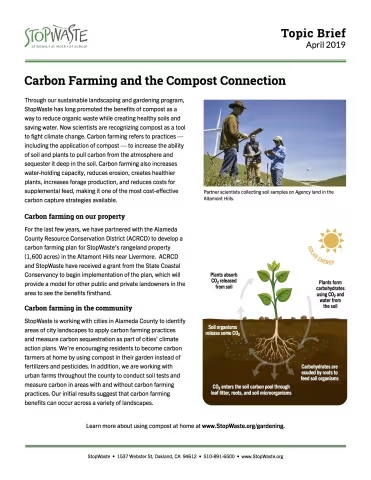
Through our sustainable landscaping and gardening program, StopWaste has long promoted the benefits of compost as a way to reduce organic waste while creating healthy soils and saving water. Now scientists are recognizing compost as a tool to fight climate change. Carbon farming refers to practices — including the application of compost — to increase the ability of soil and plants to pull carbon from the atmosphere and sequester it deep in the soil. Carbon farming also increases water-holding capacity, reduces erosion, creates healthier plants, increases forage production, and reduces costs
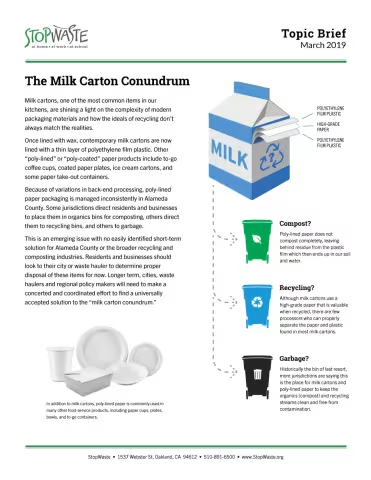
The Milk Carton Conundrum - March 2019
Milk cartons, one of the most common items in our kitchens, are shining a light on the complexity of modern packaging materials and how the ideals of recycling don’t always match the realities.
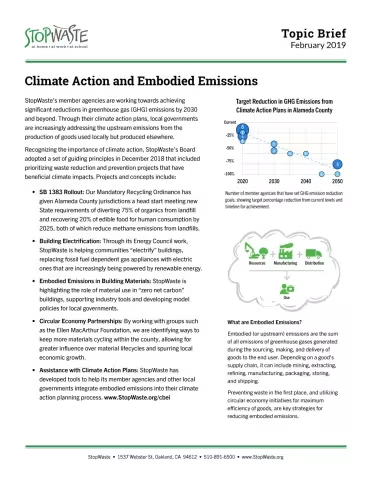
Climate Action and Embodied Emissions - February 2019
StopWaste’s member agencies are working towards achieving significant reductions in greenhouse gas (GHG) emissions by 2030 and beyond. Through their climate action plans, local governments are increasingly addressing the upstream emissions from the production of goods used locally but produced elsewhere.
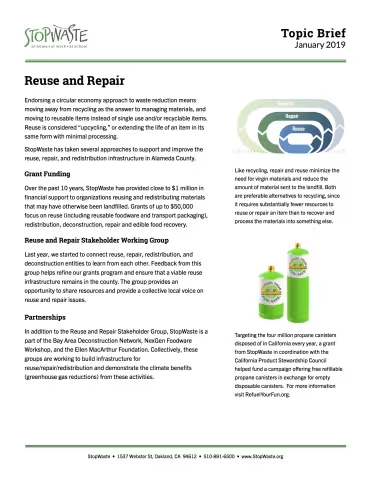
Reuse and Repair - January 2019
Endorsing a circular economy approach to waste reduction means moving away from recycling as the answer to managing materials, and moving to reusable items instead of single use and/or recyclable items. Reuse is considered “upcycling,” or extending the life of an item in its same form with minimal processing.
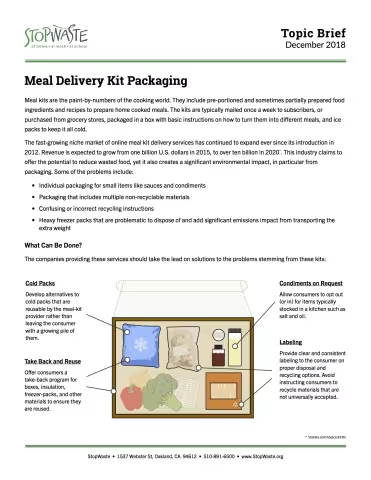
Meal Delivery Kit Packaging - December 2018
Meal kits include pre-portioned and sometimes partially prepared food ingredients and recipes to prepare home cooked meals. The kits are typically mailed once a week to subscribers, or purchased from grocery stores, packaged in a box with basic instructions on how to turn them into different meals, and ice packs to keep it all cold. This industry claims to offer the potential to reduce wasted food, yet it also creates a significant environmental impact, in particular from packaging.
Reducing Contamination - November 2018
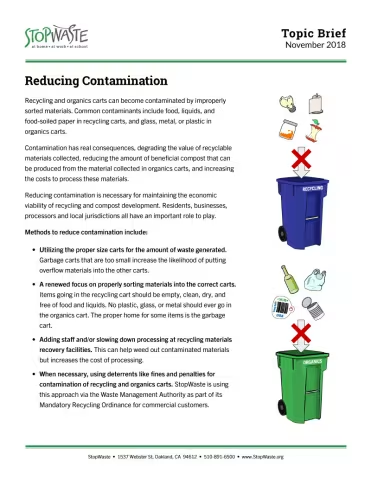
Recycling and organics carts can become contaminated by improperly sorted materials. Common contaminants include food, liquids, and food-soiled paper in recycling carts, and glass, metal, or plastic in organics carts. Contamination has real consequences, degrading the value of recyclable materials collected, reducing the amount of beneficial compost that can be produced from the material collected in organics carts, and increasing the costs to process these materials.
Electrification - October 2018
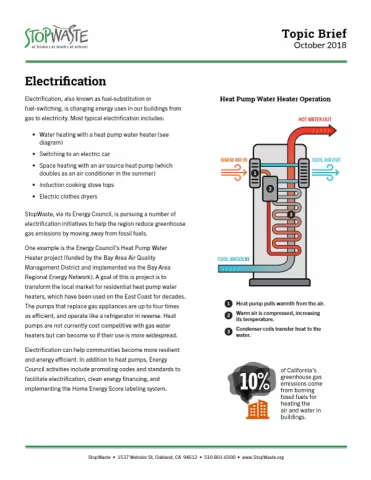
Electrification, also known as fuel-substitution or fuel-switching, is changing energy uses in our buildings from gas to electricity. StopWaste, via its Energy Council, is pursuing a number of electrification initiatives to help the region reduce greenhouse gas emissions by moving away from fossil fuels.